Outsourcing

virtual assistant outsourcing philippines

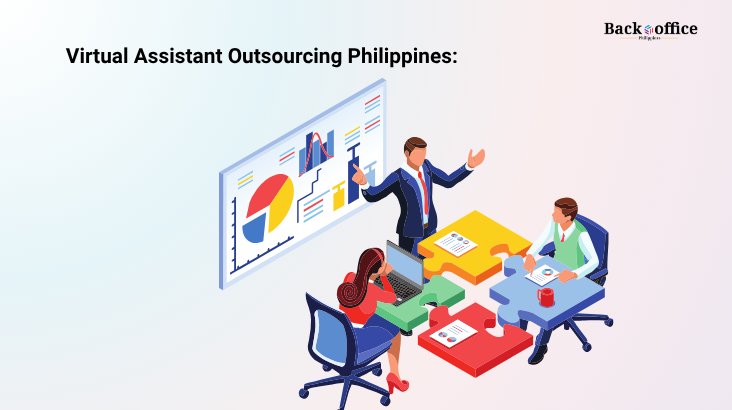
Virtual Assistant Outsourcing Philippines: Tasks Businesses Can Delegate

Businesses today manage emails, customer inquiries, data, scheduling, research, reports, and many other administrative activities every day. Handling all these tasks internally can take valuable time away from core business operations. Virtual Assistant Outsourcing Philippines offers a practical way for businesses to delegate routine and administrative work to trained professionals. A virtual assistant can support businesses remotely with administrative, research, data management, customer support, and other back-office activities. For companies looking to improve productivity while maintaining operational flexibility, virtual assistant services Philippines can provide scalable support based on workload and business requirements. What Is Virtual Assistant Outsourcing? Virtual assistant outsourcing is the practice of hiring an external professional or team to handle specific business support tasks remotely. Instead of employing a full-time in-house employee for every administrative requirement, businesses can outsource selected activities to a virtual assistant Philippines team. These professionals can work with established processes, digital communication tools, cloud platforms, and business software to complete assigned tasks. The exact responsibilities depend on the company’s requirements, industry, and workflow. What Tasks Can Businesses Delegate to Virtual Assistants? Businesses can outsource a wide range of repetitive and time-consuming activities. Common tasks include: 1. Administrative Support Virtual assistants can manage routine administrative activities such as: Delegating these activities allows internal employees to spend more time on business-critical responsibilities. 2. Data Entry and Data Management Data-related work is another common area for virtual assistant outsourcing Philippines. Virtual assistants can enter, update, organize, and verify information in spreadsheets, databases, CRM platforms, and other business systems. Typical tasks include customer database updates, product data entry, contact list management, spreadsheet maintenance, and information verification. 3. Market and Lead Research Businesses can use virtual assistants for market research outsourcing and lead research. These tasks may include collecting company information, identifying potential customers, researching competitors, preparing prospect lists, and organizing research findings. For sales and marketing teams, properly structured research can make prospecting and business development activities more efficient. 4. Customer and Email Support Virtual assistants can also assist with routine customer communication. Depending on the business process, their responsibilities may include responding to general email inquiries, organizing customer requests, updating support records, and forwarding complex issues to the appropriate internal team. This type of virtual assistant services Philippines can help businesses manage communication workloads without requiring every task to be handled by core employees. 5. Document and Report Preparation Businesses often spend considerable time preparing documents and reports. A virtual assistant can help format documents, organize information, update spreadsheets, prepare recurring reports, and maintain digital records. When these activities follow clearly defined procedures, they can be suitable for remote outsourcing. Why Outsource Virtual Assistant Tasks to the Philippines? The Philippines is an established outsourcing destination with a large workforce supporting international businesses. Virtual assistant outsourcing Philippines allows companies to delegate suitable administrative and back-office tasks to remote teams while maintaining defined processes and quality requirements. Businesses may choose outsourcing when they need additional support during periods of increased workload, want to reduce repetitive internal tasks, or need flexible operational assistance. The key is to identify tasks that can be clearly documented, measured, and transferred to an external team. How to Choose Virtual Assistant Services in the Philippines Before outsourcing, businesses should evaluate several factors: A structured outsourcing process makes it easier to monitor performance and expand the scope of work when required. Is Virtual Assistant Outsourcing Suitable for Small Businesses? Yes. Small businesses can use virtual assistant outsourcing for administrative and repetitive tasks that consume internal resources. Instead of assigning every support activity to business owners or full-time employees, selected tasks can be delegated to an external team. This can be particularly useful for growing businesses that need additional operational support without immediately building a larger internal administrative team. Frequently Asked Questions What is virtual assistant outsourcing? Virtual assistant outsourcing involves hiring an external professional or team to perform business support tasks remotely, such as administration, data entry, research, scheduling, and document management. What tasks can I outsource to a virtual assistant? Common tasks include email management, data entry, online research, lead research, calendar management, document preparation, spreadsheet updates, and administrative support. Why outsource virtual assistant services to the Philippines? The Philippines has a well-established business process outsourcing industry and provides remote support services for international businesses across multiple functions. How do I choose a virtual assistant outsourcing company? Businesses should consider relevant experience, task coverage, communication processes, data security practices, scalability, reporting, and clearly defined service requirements. Conclusion Virtual Assistant Outsourcing Philippines can help businesses delegate repetitive administrative, data, research, communication, and back-office activities to remote professionals. The most effective outsourcing approach starts by identifying suitable tasks, documenting workflows, establishing measurable expectations, and selecting a service provider that can support the required processes. For businesses looking for virtual assistant services Philippines, outsourcing can provide additional operational support while allowing internal teams to focus on higher-value business activities.

Virtual Assistant Outsourcing Philippines: Tasks Businesses Can Delegate Read More »
Data Automation vs Data Entry Outsourcing

Data Automation vs Data Entry Outsourcing: Which Solution Is Right for Your Business?

Businesses deal with large volumes of information every day. From customer records and invoices to product details and business documents, managing data accurately is essential for smooth operations. As data volumes increase, companies often look for ways to reduce manual work, improve accuracy, and save time. Two common solutions are data automation and data entry outsourcing. Both can improve business processes, but they work in different ways. Understanding the difference between them can help businesses choose the right approach based on their workload, budget, and operational requirements. What Is Data Automation? Data automation uses software, artificial intelligence, integrations, and predefined workflows to handle repetitive data related tasks with minimal human intervention. For example, an automated workflow can extract information from invoices, transfer data between business applications, organize customer records, or update databases automatically. Once the workflow is properly configured, the same process can run repeatedly without requiring employees to enter every piece of information manually. Data automation is particularly useful for businesses that handle large and repetitive data workflows. It can reduce repetitive tasks and allow employees to spend more time on activities that require analysis, communication, and decision making. What Is Data Entry Outsourcing? Data entry outsourcing involves assigning data entry and related processing tasks to an external service provider. Trained professionals handle activities such as entering information into databases, updating records, processing forms, converting documents, and maintaining spreadsheets. Outsourcing can be useful when a business has a high volume of data but does not want to hire and train a large in house team. It can also provide access to skilled professionals who can manage repetitive data tasks according to defined instructions and quality standards. For businesses with seasonal workloads or projects involving large amounts of information, outsourcing can provide additional workforce capacity without creating a permanent internal team. Data Automation vs Data Entry Outsourcing: Key Differences When comparing Data Automation vs Data Entry Outsourcing, the main difference is how the work is completed. Data automation relies primarily on technology and predefined workflows, while data entry outsourcing relies on trained professionals to complete the work. Automation can be highly effective when the data follows predictable patterns and the process can be clearly defined. Outsourcing may be more suitable when data requires human judgment, verification, interpretation, or handling of exceptions. For example, automatically transferring standardized customer information between systems may be ideal for automation. However, processing handwritten forms, reviewing inconsistent records, or handling documents with unusual formats may still require human involvement. Benefits of Data Automation Data automation can offer several advantages: Faster processing: Automated workflows can process large volumes of repetitive information quickly. Reduced repetitive work: Employees spend less time performing routine data tasks. Consistent processing: Properly configured workflows can follow the same rules for every transaction. Scalability: Automation can handle increasing volumes without requiring a proportional increase in manual effort. System integration: Automated processes can connect different applications and databases to improve information flow. However, automation requires appropriate technology, setup, testing, and ongoing monitoring. Poorly designed workflows can also produce errors at scale, which makes quality checks important. Benefits of Data Entry Outsourcing Data entry outsourcing provides a different set of advantages. Access to skilled professionals: Businesses can work with trained data entry specialists without building a large internal team. Cost control: Outsourcing can reduce expenses associated with recruitment, training, infrastructure, and employee management. Flexible workforce: Companies can scale support according to project requirements and data volumes. Human quality checks: Professionals can identify missing information, inconsistencies, and unusual data that automated systems may not recognize. Focus on core activities: Internal employees can concentrate on sales, customer service, strategy, and other important business functions. Outsourcing can therefore be a practical option for companies that need reliable data support but do not have the resources or need to maintain a dedicated data entry department. Which Solution Should Your Business Choose? The right choice depends on the type of data, volume of work, process complexity, and available resources. Choose data automation when your processes are repetitive, predictable, rule based, and involve large volumes of structured information. Automation is especially valuable when the same workflow needs to be performed frequently. Choose data entry outsourcing when your business requires human judgment, document review, data verification, or flexible workforce support. Outsourcing is also useful when implementing a complete automation system would require significant investment. In many cases, businesses do not have to choose only one solution. A combination of automation and outsourcing can provide better results. Automation can handle repetitive and structured tasks, while trained professionals can review exceptions, validate information, and manage tasks that require human judgment. Finding the Right Balance Between Technology and People The discussion around Data Automation vs Data Entry Outsourcing should not always be viewed as a competition between technology and people. The better approach is to identify which parts of the workflow can be automated and which tasks benefit from human expertise. A hybrid model can help businesses automate repetitive processes while retaining professional oversight for quality control and complex data handling. This approach can improve efficiency without compromising accuracy where human review is important. Conclusion Both data automation and data entry outsourcing can help businesses manage growing data requirements. Automation offers speed, consistency, and scalability for repetitive processes, while outsourcing provides skilled human support, flexibility, and practical cost control. Before choosing between the two, businesses should evaluate their data volume, process complexity, accuracy requirements, technology infrastructure, and long term goals. For many organizations, the most effective solution may be a combination of automation and professional data entry support. By selecting the right approach, businesses can improve data management, reduce operational workload, and allow internal teams to focus on higher value activities.

Data Automation vs Data Entry Outsourcing: Which Solution Is Right for Your Business? Read More »

Outsource Data Processing to the Philippines

Why Outsource Data Processing to the Philippines?

In today’s data-driven business environment, organizations generate and manage vast amounts of information every day. From customer records and invoices to financial reports and inventory data, accurate data processing is essential for making informed business decisions. However, managing these tasks in-house can be time-consuming, expensive, and resource-intensive. This is why many companies are choosing to outsource data processing to the Philippines. With its highly skilled workforce, cost-effective solutions, and strong outsourcing industry, the Philippines has become one of the world’s leading destinations for data processing outsourcing and back-office support. What Is Data Processing? Data processing involves collecting, organizing, validating, and converting raw data into meaningful information that businesses can use for reporting, analytics, and decision-making. It includes services such as: Professional data processing services in the Philippines help businesses maintain accurate records while improving operational efficiency. Why Businesses Choose to Outsource Data Processing to the Philippines 1. Significant Cost Savings One of the biggest reasons businesses choose outsourcing data processing is to reduce operational costs. Hiring, training, and maintaining an in-house team requires significant investment in salaries, office infrastructure, software, and employee benefits. By partnering with a trusted Business Process Outsourcing Philippines provider, companies can access experienced professionals at a fraction of the cost while maintaining high-quality standards. 2. Highly Skilled Workforce The Philippines is known for its educated, English-speaking workforce. Many professionals have experience handling large volumes of business data for international clients across industries including healthcare, finance, retail, logistics, insurance, and eCommerce. This expertise allows businesses to receive reliable offshore data processing services without compromising accuracy. 3. Improved Accuracy and Quality Data errors can lead to poor business decisions, customer dissatisfaction, and financial losses. Professional outsourcing companies implement strict quality assurance processes, multiple validation checks, and standardized workflows to minimize errors. Experienced teams ensure that every piece of information is processed accurately, giving businesses confidence in their data. 4. Faster Turnaround Time Businesses often deal with tight deadlines and increasing workloads. Outsourcing enables companies to process large volumes of data quickly without overburdening internal teams. Dedicated professionals working with streamlined processes help complete projects faster, allowing businesses to focus on growth and customer service. 5. Focus on Core Business Activities Managing data internally consumes valuable time that could be spent on strategic initiatives such as sales, marketing, product development, and customer engagement. When organizations outsource data processing to the Philippines, they free up internal resources and allow employees to focus on activities that directly contribute to business growth. 6. Scalable Solutions for Growing Businesses Business requirements change throughout the year. Seasonal demand, business expansion, or new projects often require additional manpower. Professional data management services offer flexible and scalable solutions, enabling businesses to increase or decrease resources based on their operational needs without the complexities of hiring new staff. 7. Enhanced Data Security Reputable outsourcing providers prioritize data confidentiality and information security. They implement secure infrastructure, controlled access systems, encrypted data transfer, and strict compliance with international security standards. This helps businesses protect sensitive customer and business information while maintaining regulatory compliance. Industries That Benefit from Data Processing Outsourcing Many industries rely on efficient data processing outsourcing to improve productivity and maintain accurate records, including: Each industry generates large amounts of information that requires timely and accurate processing. Why the Philippines Leads the Global Outsourcing Industry The Philippines has earned a strong reputation as a global outsourcing destination because of several key advantages: These advantages make the country an ideal location for businesses looking for reliable Business Process Outsourcing Philippines solutions. Choosing the Right Data Processing Partner When selecting a provider for data processing services in the Philippines, consider the following: A dependable outsourcing partner should understand your business requirements and deliver accurate, secure, and timely results. Conclusion As businesses continue to generate increasing volumes of data, efficient processing has become essential for maintaining productivity and making informed decisions. Choosing to outsource data processing to the Philippines provides organizations with access to skilled professionals, advanced technology, cost savings, and scalable support. Whether you need assistance with invoice processing, database management, document indexing, or large-scale data management services, partnering with an experienced outsourcing provider allows your business to improve efficiency while focusing on core operations. At Back Office Philippines, we deliver reliable, secure, and high-quality data processing services tailored to your business needs. Our experienced professionals help organizations streamline workflows, improve data accuracy, and achieve operational excellence through trusted data processing outsourcing solutions.

Why Outsource Data Processing to the Philippines? Read More »

outsourcing finance & accounting

Why More Companies Are Outsourcing Finance & Accounting in 2026

Managing finances has always been one of the most critical aspects of running a successful business. From bookkeeping and payroll to tax preparation and financial reporting, finance and accounting functions require accuracy, compliance, and timely execution. However, as businesses continue to navigate economic uncertainties, digital transformation, and growing operational costs, many are rethinking how they manage these essential tasks.

Why More Companies Are Outsourcing Finance & Accounting in 2026 Read More »

transform your business

Transform Your Business: Why Back Office Outsourcing Philippines Is the Smart Choice

In today’s competitive business environment, organizations are constantly looking for ways to improve efficiency, reduce operational costs, and focus on core business activities. One of the most effective strategies that companies worldwide are adopting is Back Office Outsourcing Philippines. With a highly skilled workforce, cost-effective services, and a strong outsourcing infrastructure, the Philippines has become a preferred destination for businesses seeking reliable back-office support.

Transform Your Business: Why Back Office Outsourcing Philippines Is the Smart Choice Read More »

hybrid work in philippine bpo

Hybrid Work in Philippine BPO: Challenges and Opportunities in 2026

The business process outsourcing industry in the Philippines has always been known for its adaptability. From handling global customer support to managing complex back-office operations, the sector continues to evolve alongside changing business needs. In 2026, one of the biggest transformations shaping the industry is the rise of hybrid work in Philippine BPO companies.

Hybrid Work in Philippine BPO: Challenges and Opportunities in 2026 Read More »

ai vs human data processing

AI vs Human Data Processing: What Businesses Should Choose in 2026?

In 2026, businesses are handling more data than ever before. From customer records and financial transactions to market research and operational analytics, data has become the backbone of decision-making. As organizations strive for speed, accuracy, and cost efficiency, the debate between AI Data Processing and Human Data Processing has taken center stage.

AI vs Human Data Processing: What Businesses Should Choose in 2026? Read More »

outsourcing data processing services

Benefits of Outsourcing Data Processing Services for Growing Businesses

In today’s fast-moving digital world, data has become one of the most valuable assets for any business. From customer information to financial records and operational data, companies handle massive volumes of information every day. Managing this data efficiently is crucial—but for growing businesses, it can also be overwhelming.

Benefits of Outsourcing Data Processing Services for Growing Businesses Read More »

Common Data Processing Challenges

Common Data Processing Challenges and How Outsourcing Solves Them

In today’s digital-first business environment, data plays a central role in decision-making, customer experience, and operational efficiency. From customer records and invoices to inventory logs and analytics reports, organizations depend on accurate and timely data to stay competitive. However, managing large volumes of information internally often brings several obstacles. Understanding these Common Data Processing Challenges—and how professional Data Processing Services can resolve them—helps businesses operate more effectively.

Common Data Processing Challenges and How Outsourcing Solves Them Read More »

why the philippines is a top choice for back office outsourcing

Why the Philippines Is a Top Choice for Back Office Outsourcing

In today’s competitive business landscape, companies are constantly looking for ways to reduce operational costs, improve efficiency, and focus on their core competencies. One proven strategy that continues to gain momentum is Back office outsourcing. Among all global outsourcing destinations, the Philippines has emerged as a clear leader—trusted by startups, SMEs, and large enterprises alike. This is why Outsourcing in Philippines is considered one of the smartest business decisions today.

Why the Philippines Is a Top Choice for Back Office Outsourcing Read More »